
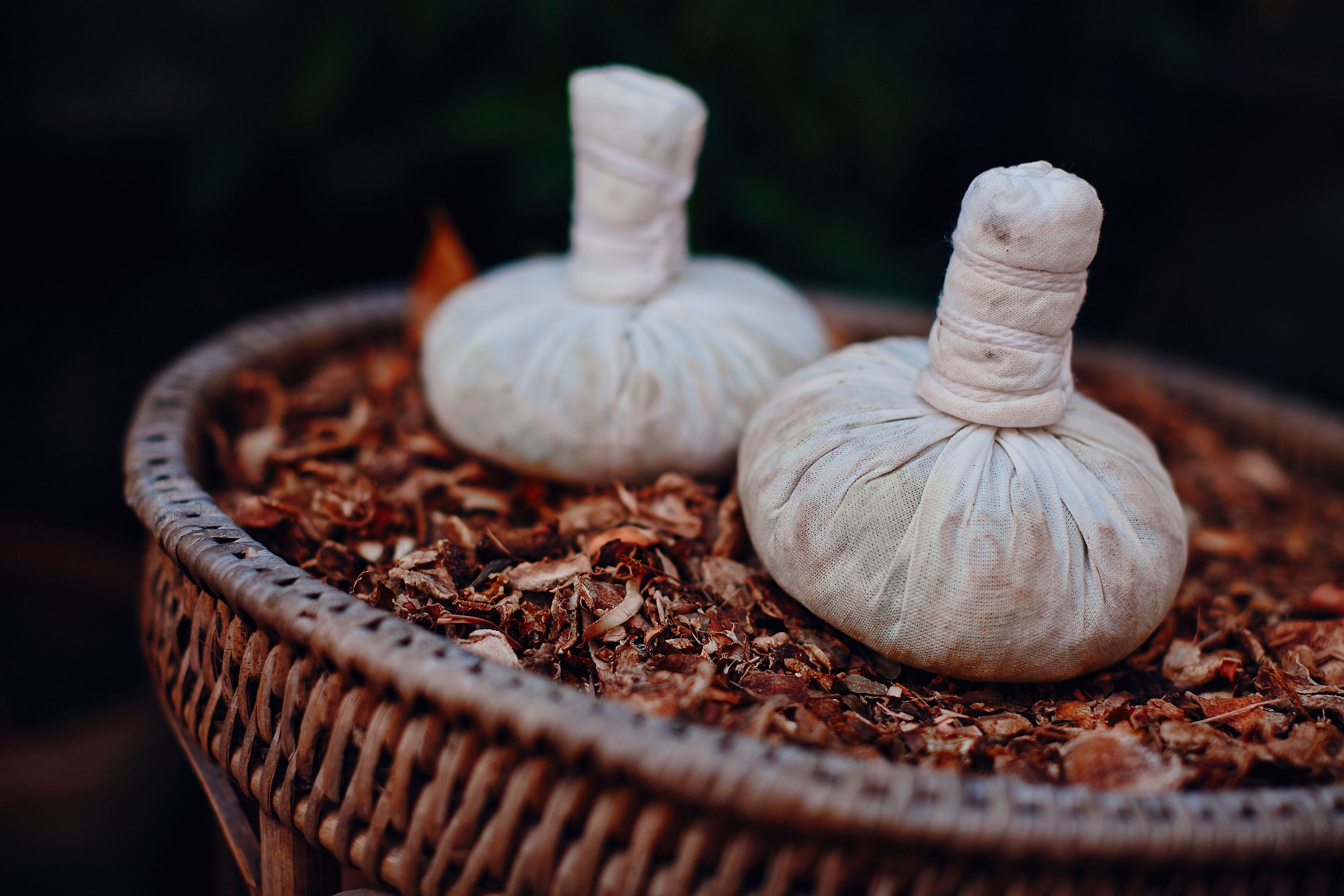
What Is Panchakarma?
Conceptos erróneos comunes sobre el Panchakarma
Cada vez más o menos escucho a la gente decir que va a hacer un retiro de Panchakarma. A veces en la India, a veces en Sri Lanka y cada vez más en centros de bienestar de toda Europa. Cuando pregunto en qué consiste el programa, a menudo escucho una larga lista de masajes, tratamientos y terapias. Si bien muchos de estos tratamientos pueden ser ciertamente valiosos, no constituyen necesariamente el Panchakarma.
Para ser honesto, me tomó bastante tiempo entender realmente qué es el Panchakarma.
Uno de los mayores malentendidos es que el Panca Karma es simplemente un conjunto de tratamientos ayurvédicos o un programa de desintoxicación de lujo. En realidad, es un proceso terapéutico altamente estructurado y personalizado basado en miles de años de sabiduría ayurvédica.
Durante un programa tradicional de Panchakarma, una persona no se somete automáticamente a los cinco procedimientos clásicos de purificación. Dependiendo de la constitución del individuo, su estado de salud, el desequilibrio de los doshas, su fuerza digestiva y los objetivos del tratamiento, un médico ayurvédico puede seleccionar una o, a veces, dos terapias específicas de Panchakarma. Los tratamientos restantes se eligen cuidadosamente para preparar el cuerpo, apoyar el proceso de purificación y ayudar en la recuperación.
Para comprender verdaderamente el Panchakarma, primero debemos entender su propósito.
¿Qué es Panchakarma?
Panchakarma es el proceso clásico ayurvédico de limpieza y rejuvenecimiento diseñado para eliminar el Ama acumulado, restablecer el equilibrio de los doshas y apoyar los procesos naturales de sanación del cuerpo.
La palabra proviene del sánscrito: pancha significa cinco, mientras que karma se refiere a acciones o procedimientos terapéuticos. Traducido literalmente, Panchakarma significa por lo tanto “cinco acciones terapéuticas”.”
Según el Ayurveda, el desequilibrio y la enfermedad rara vez aparecen de la noche a la mañana. Se desarrollan gradualmente, influenciados por factores como la mala digestión, el estrés crónico, una dieta inadecuada, las influencias ambientales y los hábitos de vida. Con el tiempo, estos factores pueden alterar el equilibrio de Vata, Pitta y Kapha, debilitar el Agni —el fuego digestivo y transformador— y contribuir a la acumulación de Ama, a menudo descrito como toxinas o residuos metabólicos. Al mismo tiempo, el desequilibrio prolongado puede agotar gradualmente el Ojas, que el Ayurveda asocia con la vitalidad, la resiliencia y la inmunidad.
Por lo tanto, el propósito de Panchakarma es mucho más amplio que la simple desintoxicación. Su objetivo es reducir el Ama acumulado mientras fortalece el Agni y restablece el equilibrio de los doshas. Al mismo tiempo, el proceso puede favorecer la regulación del sistema nervioso y ayudar a reconstruir el Ojas, creando las condiciones para una vitalidad renovada, resiliencia y bienestar general.
Para una comprensión más profunda de estos conceptos fundamentales del Ayurveda, recomendamos leer nuestro blog: El Sistema: Dosha, Agni, Ama y Ojas.
Las Tres Fases de Panchakarma
Lo que mucha gente no se da cuenta es de que el Panchakarma consta de tres fases distintas e igualmente importantes: Poorva Karma, la fase de preparación; Pradhana Karma, la fase principal de purificación; y Paschat Karma, la fase de recuperación e integración.
Cada fase tiene su propio propósito y, juntas, forman el proceso completo de Panchakarma. Omitir o acortar significativamente una de estas etapas puede influir en cómo responde el cuerpo al tratamiento y puede afectar el resultado general.
Fase 1: Poorva Karma – El Arte de la Preparación
Quizás la lección más importante que he aprendido sobre el Panchakarma provino de mi propia experiencia.
Antes de descubrir el Ayurveda, pasé más de treinta años trabajando como piloto de helicóptero. Con el tiempo, estuve expuesto a gases de escape, aceites de turbina y otras sustancias ambientales asociadas con la aviación. Gradualmente, comencé a experimentar una serie de síntomas, que incluían fatiga, confusión mental, molestias en las articulaciones, dificultad para encontrar palabras y una sensibilidad creciente a los perfumes, productos de limpieza, humo de cigarrillo y otros productos químicos.
Mi búsqueda de respuestas eventualmente me llevó a la India.
Tras una consulta detallada, se elaboró un plan de tratamiento ayurvédico para mí. Los tratamientos fueron potentes; en retrospectiva, quizás demasiado potentes para mi cuerpo en ese momento particular. Pareció movilizarse una cantidad tremenda dentro de mi sistema, pero mi cuerpo no estaba suficientemente preparado para procesar y eliminar todo lo que se había liberado. Poco después de regresar a casa, desarrollé una reacción alérgica grave y muchos de mis síntomas empeoraron.
Fue solo más tarde que un médico ayurvédico experimentado explicó lo que probablemente había sucedido. El tratamiento en sí quizás no fue el problema; la preparación había sido insuficiente. Mi Agni era demasiado débil y las vías de eliminación de mi cuerpo no estaban preparadas adecuadamente para lidiar con lo que se había movilizado.
Esa experiencia cambió por completo mi comprensión del Panchakarma y sigue siendo una de las razones por las que creo que la preparación merece tanta atención.
Fortaleciendo a Agni
Uno de los primeros objetivos de Poorva Karma es fortalecer Agni, el fuego digestivo y transformador que desempeña un papel central en el Ayurveda. Cuando Agni es débil, se considera que el cuerpo es menos capaz de digerir, procesar y eliminar eficazmente, lo que crea las condiciones en las que Ama puede acumularse.
Antes de que el cuerpo pueda comenzar de manera segura un proceso de limpieza más profundo, la digestión y el metabolismo deben recibir, por lo tanto, el apoyo adecuado. Dependiendo de la persona, un médico ayurvédico puede recomendar preparados a base de hierbas, comidas tibias y de fácil digestión, agua tibia, horarios regulares para las comidas y ajustes en el estilo de vida que favorezcan la digestión.
Desde una perspectiva ayurvédica, la depuración tiene pocas probabilidades de éxito si el cuerpo no cuenta con la capacidad digestiva y metabólica suficiente para procesar y eliminar lo que se libera.
Preparando a Ama para la eliminación
Una vez que Agni ha sido apoyado adecuadamente, la atención se desplaza hacia Ama. En lugar de intentar eliminar los residuos acumulados de inmediato, el ayurverda busca primero aflojarlos y movilizarlos de los tejidos donde puedan haberse acumulado durante meses o incluso años.
Este proceso puede implicar preparaciones herbales específicas, ajustes en la dieta y comidas sencillas y fáciles de digerir diseñadas para apoyar los mecanismos naturales de limpieza y eliminación del cuerpo.
Snehana y Swedana
Uno de los elementos más reconocibles de Poorva Karma es Snehana, o terapia de oleación, que puede llevarse a cabo tanto interna como externamente.
La oleación interna puede implicar el uso cuidadosamente supervisado de ghee medicado o aceites herbales durante varios días, mientras que la oleación externa incluye tratamientos como el Abhyanga y otras aplicaciones terapéuticas de aceite. En la práctica ayurvédica, estas terapias se utilizan para calmar Vata, nutrir los tejidos y ayudar a aflojar el Ama profundamente acumulado.
Snehana a menudo es seguido por Swedana, la aplicación terapéutica de calor. Esto puede incluir terapias de vapor con hierbas, Bashpa Swedana, Elakizhi u otros tratamientos de calentamiento. Juntos, Snehana y Swedana se utilizan tradicionalmente para estimular el movimiento del Ama desde los tejidos hacia el tracto digestivo, donde eventualmente puede ser eliminado.
Preparación de las vías de eliminación
Un médico ayurvédico experimentado también considerará si los sistemas de eliminación natural del cuerpo están funcionando eficazmente antes de comenzar un proceso de limpieza más profundo.
Se puede prestar especial atención al hígado, los intestinos, los riñones, la piel y el sistema linfático. Al fin y al cabo, movilizar los residuos acumulados es solo una parte del proceso; el cuerpo también debe tener la capacidad de eliminarlos eficazmente.
Regulación del sistema nervioso
En el mundo actual, la regulación del sistema nervioso puede ser uno de los aspectos más importantes de la preparación.
Muchas personas llegan a un retiro cargando con los efectos de años de estrés crónico, mal sueño y sobreestimulación constante. Un cuerpo que permanece en un estado prolongado de estrés puede tener dificultades para descansar, recuperarse y responder de manera óptima a un proceso de depuración intensivo.
Por esta razón, el yoga, la meditación, el pranayama, el tiempo en la naturaleza, los tratamientos restaurativos y el sueño suficiente pueden formar una parte esencial de Poorva Karma. Estas prácticas ayudan a crear un entorno en el cual tanto el cuerpo como la mente pueden calmarse gradualmente.
Solo cuando Agni ha recibido el apoyo adecuado, Ama se ha preparado para su eliminación, las vías de eliminación del cuerpo funcionan bien y el sistema nervioso ha tenido la oportunidad de calmarse, se considera que el cuerpo está listo para avanzar hacia la siguiente fase.
Fase 2: Pradhana Karma – Las cinco terapias clásicas
Una vez que el cuerpo se ha preparado adecuadamente mediante el Poorva Karma, puede comenzar la fase principal de limpieza del Panchakarma.
Los textos ayurvédicos clásicos describen cinco procedimientos de purificación principales. Juntos, estos forman lo que tradicionalmente se conoce como Panchakarma. Sin embargo, uno de los conceptos erróneos más comunes es que cada persona que se somete a Panchakarma recibe las cinco terapias. En realidad, este rara vez es el caso.
El Ayurveda es altamente individualizado. Un médico ayurvédico experimentado determina qué terapia, si la hay, es apropiada basándose en factores como la constitución, la salud actual, el desequilibrio de los doshas, la fuerza de Agni y la vitalidad general. Por lo tanto, la mayoría de las personas reciben solo una o dos de las terapias clásicas como parte de su programa personalizado.
En Torres de Selma, no todos los procedimientos clásicos de Panchakarma están disponibles en todo momento. La disponibilidad de terapias específicas depende de factores como la disponibilidad estacional de hierbas medicinales y preparaciones ayurvédicas, así como de si un tratamiento en particular se considera adecuado para la persona.
Vamana
Vamana es un procedimiento terapéutico de emesis cuidadosamente supervisado que se utiliza tradicionalmente para reducir el exceso de Kapha.
En el Ayurveda, el Kapha se asocia con cualidades como pesadez, congestión, acumulación de mucosidad y estancamiento. Cuando el Kapha se vuelve excesivo, puede manifestarse como congestión respiratoria, lentitud, letargo y ciertos trastornos digestivos.
A través de un proceso cuidadosamente preparado y supervisado, el exceso de Kapha y el Ama acumulado se eliminan a través del tracto digestivo superior. Debido a que el Vamana se considera uno de los procedimientos de Panchakarma más intensivos, se realiza únicamente después de una preparación minuciosa y bajo la supervisión de un médico ayurvédico experimentado.
Virechana
Virechana es un procedimiento de purga terapéutica utilizado tradicionalmente para eliminar el exceso de Pitta y el Ama acumulado a través de los intestinos.
Pitta rige la transformación, el metabolismo y el calor en el cuerpo. Cuando Pitta se vuelve excesivo, el Ayurveda lo asocia con síntomas como inflamación, ciertas afecciones de la piel, irritabilidad, acidez y trastornos digestivos.
Mediante preparaciones a base de hierbas cuidadosamente seleccionadas, Virechana está diseñado para favorecer la eliminación del exceso de Pitta y Ama, al tiempo que ayuda a restablecer el equilibrio dentro del sistema digestivo.
Basti
Muchos médicos ayurvédicos consideran que el Basti es una de las terapias Panchakarma más importantes.
Basti implica la administración de aceites herbales medicinales o decocciones de hierbas a través del recto. Aunque esto pueda sonar poco familiar desde una perspectiva occidental, el ayuverda considera que el colon es uno de los principales asientos de Vata.
Debido a que Vata rige el movimiento y la comunicación en todo el cuerpo, y está estrechamente asociado en el Ayurveda con la función del sistema nervioso, se considera que equilibrar Vata tiene efectos en todo el sistema. Por lo tanto, el Basti se utiliza tradicionalmente para apoyar la salud digestiva, el equilibrio de Vata, la recuperación del estrés crónico y la vitalidad general.
Nasya
Nasya implica la administración de aceites herbales medicinales u otras preparaciones ayurvédicas a través de los conductos nasales.
Según el Ayurveda, la nariz se considera la puerta de entrada a la cabeza. El Nasya se utiliza tradicionalmente para apoyar los senos paranasales, el sistema respiratorio, la cabeza y el cuello, y a menudo se incorpora en programas enfocados en la claridad mental, la concentración y una sensación de calma y equilibrio.
Raktamokshana
Raktamokshana es una terapia especializada de purificación de la sangre descrita en los textos ayurvédicos clásicos.
Hoy en día, se realiza con mucha menos frecuencia y generalmente se reserva para situaciones clínicas específicas bajo la supervisión de médicos ayurvédicos altamente experimentados. Por esta razón, no se incluye comúnmente en los programas modernos de Panchakarma orientados al bienestar.
El Panchakarma nunca es de talla única
Uno de los principios más importantes del Ayurveda es que el tratamiento siempre debe adaptarse al individuo.
Por lo tanto, el Panchakarma no es un programa de desintoxicación estandarizado ni una colección fija de tratamientos. Es un proceso terapéutico altamente personalizado diseñado en torno a las necesidades únicas, la constitución y la condición actual de cada individuo.
El objetivo no es simplemente limpiar el cuerpo. Consiste en seleccionar la terapia adecuada, en el momento adecuado, para la persona adecuada.
Y a menudo, el éxito del proceso de limpieza depende tanto —o quizás incluso más— de la calidad de la preparación y la recuperación como del procedimiento de limpieza en sí.
Fase 3: Paschat Karma – Recuperación e Integración
Para muchas personas, el Panchakarma parece terminar una vez que se ha completado el procedimiento principal de depuración. Sin embargo, según el Ayurveda, la fase de recuperación es tan importante como la depuración misma.
Durante el Panchakarma, el cuerpo ha trabajado para movilizar y eliminar el Ama acumulado. El sistema digestivo, el metabolismo y el sistema nervioso se han visto involucrados en un proceso intensivo de limpieza y reequilibrio. En esta etapa, el cuerpo puede estar más sensible y receptivo de lo habitual.
En lugar de volver inmediatamente a las rutinas habituales, el Ayurveda recomienda una fase de recuperación cuidadosamente guiada conocida como Paschat Karma.
Uno de los enfoques principales durante esta fase es la reconstrucción de Agni. Incluso después de un proceso de depuración exitoso, la digestión puede ser temporalmente más delicada. El Ayurveda compara esto a un fuego pequeño que acaba de ser reavivado: uno no colocaría inmediatamente leños grandes sobre una llama frágil. En su lugar, se alimenta el fuego gradualmente hasta que vuelve a ser fuerte y estable.
Por esta razón, la recuperación tradicionalmente comienza con alimentos muy simples y fáciles de digerir. Las primeras comidas pueden consistir en Peya, una sopa de arroz ligera que reintroduce suavemente la nutrición sin imponer exigencias excesivas a la digestión. A medida que regresa la fuerza digestiva, se puede introducir Vilepi, una preparación de arroz más espesa, seguida gradualmente por Kitchari, la combinación ayurvédica clásica de arroz, frijoles mungo y especias digestivas. Solo una vez que la digestión ha recuperado la fuerza suficiente comienza la transición hacia una dieta más normal.
Pero la recuperación consiste en mucho más que solo la comida. Los tejidos se están reconstruyendo, el sistema nervioso se está recalibrando y el cuerpo está integrando los efectos del tratamiento mientras establece un nuevo estado de equilibrio. Por lo tanto, el descanso adecuado, el movimiento suave, las rutinas diarias nutritivas, el sueño suficiente y la reducción de la estimulación siguen siendo importantes durante toda la fase de recuperación.
En el Ayurveda, el Paschat Karma se considera la fase en la que los beneficios del Panchakarma pueden arraigarse con más firmeza en el sistema. Sin una recuperación adecuada, parte del progreso logrado durante la depuración puede perderse. Sin embargo, con una recuperación apropiada, al cuerpo se le brinda la oportunidad de integrar el proceso y crear una base más sólida para el bienestar a largo plazo.
El verdadero trabajo empieza en casa
Un Panchakarma exitoso no termina necesariamente cuando abandonas el retiro. En muchos sentido, aquí es donde comienza la siguiente parte del viaje.
Antes de regresar a casa, usted y el médico ayurvédico pueden crear un plan de seguimiento personalizado adaptado a su constitución, objetivos de salud y estado actual de equilibrio. Este puede incluir orientación nutricional, rutinas diarias, apoyo herbal, yoga, prácticas de respiración y recomendaciones de estilo de vida que se puedan integrar de manera realista en la vida cotidiana.
El propósito no es simplemente mantener los resultados del retiro, sino continuar apoyando el equilibrio y la recuperación mientras se ayuda al cuerpo a sostener los cambios positivos que ya han comenzado.
Quizás esta sea una de las lecciones más importantes que Panchakarma tiene para ofrecer.
Panchakarma no se trata simplemente de una limpieza. Se trata de crear las condiciones en las que el cuerpo pueda hacer lo que siempre ha estado diseñado para hacer: volver al equilibrio.
Preguntas frecuentes sobre Panchakarma
¿Qué es el Panchakarma?
Panchakarma es el proceso clásico ayurvédico de limpieza y rejuvenecimiento diseñado para reducir el Ama acumulado, restablecer el equilibrio de los doshas y apoyar los procesos naturales de curación del cuerpo. La palabra Panchakarma significa literalmente “cinco acciones terapéuticas” y se refiere a cinco procedimientos clásicos de limpieza ayurvédica.
¿Es el Panchakarma simplemente una desintoxicación ayurvédica?
No. Este es uno de los conceptos erróneos más comunes sobre el Panchakarma.
Panchakarma es un proceso terapéutico altamente personalizado que consta de preparación, limpieza y recuperación. En lugar de centrarse únicamente en la eliminación de toxinas, el Ayurveda otorga gran importancia a fortalecer el Agni, equilibrar los doshas, preparar el cuerpo para la limpieza y reconstruir la vitalidad posteriormente.
¿Qué es Ama?
Ama se traduce a menudo como “toxinas”, aunque el concepto ayurvédico es más amplio. En el Ayurveda, el ama se refiere a sustancias o experiencias que no han sido debidamente digeridas, procesadas o integradas por el cuerpo y la mente.
Esto puede incluir alimentos mal digeridos y desechos metabólicos, mientras que el concepto también se utiliza a veces de manera más amplia en relación con el estrés crónico, la carga emocional y la sobrecarga mental. Según la teoría ayurvédica, la acumulación de ama puede contribuir al desequilibrio y, con el tiempo, puede desempeñar un papel en el desarrollo de enfermedades.
¿Por qué es tan importante la preparación antes de Panchakarma?
Según el Ayurveda, el éxito del Panchakarma depende en gran medida de la calidad de la preparación.
Si Agni es débil o las vías de eliminación del cuerpo no funcionan eficazmente, el sistema puede tener dificultades para procesar y eliminar lo que se moviliza durante la purificación. Por lo tanto, el Purva Karma prepara la digestión, el metabolismo, los tejidos, las vías de eliminación y el sistema nervioso antes de que comience la fase principal de purificación.
¿Qué es Poorva Karma?
Poorva Karma es la fase de preparación de Panchakarma. Dependiendo del individuo, puede incluir fortalecer el Agni, reducir y movilizar el Ama, preparaciones a base de hierbas, ajustes dietéticos, tratamientos con aceite Abhyanga, oleación interna, terapias de vapor con hierbas y prácticas que apoyan la regulación del sistema nervioso, como el yoga, la meditación y el descanso.
El propósito es preparar el cuerpo lo más cuidadosamente posible antes de avanzar hacia una limpieza más profunda.
¿Incluyen todos los retiros de Panchakarma las cinco terapias clásicas?
No. La mayoría de las personas reciben solo uno o a veces dos procedimientos clásicos de Panchakarma, dependiendo de su constitución, estado de salud, fuerza digestiva y objetivos del tratamiento.
Un médico ayurvédico experimentado determina qué terapia es adecuada tras una consulta y evaluación detalladas.
¿Cuáles son las cinco terapias clásicas de Panchakarma?
Los cinco procedimientos clásicos son Vamana, la emesis terapéutica utilizada tradicionalmente sobre todo para el exceso de Kapha; Virechana, la purga terapéutica asociada con la eliminación del exceso de Pitta y Ama; Basti, la administración de aceites medicinales o decocciones de hierbas por vía rectal y considerada tradicionalmente como una terapia importante para Vata; Nasya, la administración de preparaciones ayurvédicas por las fosas nasales; y Raktamokshana, un procedimiento especializado de purificación de la sangre utilizado en circunstancias clínicas específicas.
¿Qué terapias de Panchakarma están disponibles en Torres de Selma?
No todas las terapias clásicas de Panchakarma están disponibles en todo momento. La disponibilidad puede depender de factores como la disponibilidad estacional de hierbas y preparaciones ayurvédicas, así como de la idoneidad de un tratamiento en particular para su situación individual.
Tras su consulta, el médico ayurvédico determinará si un procedimiento de Panchakarma es adecuado para usted y, de ser así, qué terapia se adapta mejor a sus necesidades individuales.
¿Es adecuado el Panchakarma para todo el mundo?
No necesariamente. Algunas personas pueden requerir primero un período de preparación más largo antes de someterse a un procedimiento de limpieza más profundo, mientras que para otras una terapia intensiva de Panchakarma puede no ser apropiada en absoluto.
Factores como la fuerza digestiva, los niveles de energía, el estrés crónico, la salud general, la edad y la capacidad del cuerpo para eliminar eficazmente deben ser considerados. Es por esto que una consulta individual con un médico ayurvédico experimentado es esencial.
¿Cuánto dura un programa de Panchakarma?
La duración varía según su constitución, sus objetivos de salud y las terapias seleccionadas por el médico ayurvédico. Un programa personalizado puede durar desde varios días hasta varias semanas.
En Torres de Selma, la duración y el contenido del programa se determinan según el formato del retiro y su plan de tratamiento personalizado.
¿Qué pasa después de Panchakarma?
Después de la fase de limpieza principal viene el Paschat Karma, la fase de recuperación e integración.
Durante este periodo, la digestión se reconstruye gradualmente y se le da tiempo al cuerpo para integrar los efectos del tratamiento. Tradicionalmente, la recuperación puede comenzar con alimentos sencillos como Peya y Vilepi antes de pasar a Kitchari y, finalmente, a una dieta más variada.
El descanso, el sueño suficiente, el movimiento suave y el regreso gradual a las actividades cotidianas también son aspectos importantes de esta fase.
¿Cuánto tiempo se tarda en recuperarse después de Panchakarma?
La recuperación varía de una persona a otra y depende de la intensidad del tratamiento y de la condición general del individuo.
Para algunas personas, el periodo de recuperación inicial puede tomar solo unos días. Después de terapias más intensivas, el proceso de integración y reconstrucción puede continuar durante varias semanas.
¿Recibiré un plan de tratamiento personalizado?
Sí. El Ayurveda reconoce que cada individuo es único.
Tras su consulta, el médico ayurvédico crea un plan de tratamiento personalizado basado en factores que incluyen su constitución (Prakriti), los desequilibrios actuales (Vikriti), la fuerza digestiva, los niveles de energía y los objetivos de salud personales.
¿Qué puedo hacer en casa después de Panchakarma?
Antes de irse, es posible que reciba un plan de seguimiento personalizado del médico ayurvédico. Dependiendo de sus necesidades individuales, esto puede incluir recomendaciones dietéticas, rutinas diarias, apoyo a base de hierbas, prácticas de yoga y respiración, ajustes en el estilo de vida y orientación sobre el sueño y la gestión del estrés.
El objetivo es ayudarte a seguir manteniendo el equilibrio, la digestión y la vitalidad mucho después de que tu retiro haya terminado.
¿Puede el Panchakarma ayudar con el estrés y el agotamiento?
Muchas personas exploran el Ayurveda y el Panchakarma porque experimentan estrés crónico, fatiga, mal sueño o síntomas asociados con el agotamiento.
Desde una perspectiva ayurvédica, un programa personalizado que se centra en equilibrar los doshas, apoyar el Agni, reducir el Ama y reconstruir el Ojas puede ayudar a crear las condiciones que respaldan los procesos naturales de recuperación del cuerpo y la resiliencia general.
Sin embargo, el Panchakarma no debe considerarse un sustituto del tratamiento médico o psicológico cuando este sea necesario.
¿Qué es el Ojas y por qué es importante?
En el Ayurveda, el Ojas se considera la esencia de la vitalidad, la resiliencia y la fuerza vital. Un Ojas fuerte se asocia tradicionalmente con la energía, la estabilidad emocional, una inmunidad saludable y una sensación general de bienestar.
Se cree que el estrés crónico, la mala digestión y el desequilibrio prolongado agotan gradualmente el Ojas. Por lo tanto, uno de los objetivos a más largo plazo del tratamiento ayurvédico es proteger y reconstruir esta reserva vital.
¿Cuál es el objetivo final de Panchakarma?
El propósito de Panchakarma no es simplemente limpiar el cuerpo. Su objetivo más profundo es restablecer el equilibrio, fortalecer el Agni, reducir el Ama, reconstruir el Ojas y crear un entorno que favorezca la capacidad natural del cuerpo para la curación y la recuperación.
Quizás la esencia de Panchakarma se pueda expresar de manera más simple como esto:
La verdadera sanación no consiste en forzar al cuerpo a cambiar, sino en crear las condiciones en las que el equilibrio pueda regresar de forma natural.